Lately, the deep web has surfaced as a captivating yet disputed landscape for trade. This hidden part of the internet, often obscured from traditional search engines, provides a unique marketplace where secrecy and confidentiality reign supreme. As dark market 2026 and more seek out substitutes to regular retailers, darkweb markets have emerged as a new frontier for those ready to navigate their complexities and dangers.
The attraction of these hidden platforms lies not just in the items offered, but also in the notion of independence they guarantee. Users can access goods and offerings that may be challenging or illegal to obtain through conventional means, from rare items of interest to drugs. However, this unregulated environment also contains significant dangers, ranging from fraud to criminal conduct. Grasping the nuances of deep web platforms is vital for anyone interested in the changing landscape of internet commerce.
Grasping the Darkweb
The dark web refers to a part of the internet that is not listed by traditional search engines, rendering it unapproachable to the average user. It functions on an encrypted network, requiring specific software, setups, or permissions to access. While the darkweb is often linked with illegal activities, it also functions as a platform for privacy-conscious users seeking to avoid government watch or advocate for free speech in repressive regimes.
The primary way to access the darkweb is through the Tor network, which masks users by sending their communications through a chain of community-run servers. This privacy has made the darkweb a haven for various activities, both legal and illicit. Users can explore forums, stores, and other offerings where their personal information are protected, contributing to the appeal of this obscured part of the internet.
Despite the questionable reputation of darkweb markets, they can also enable the transactions of important information and services. Some individuals use these platforms to purchase and offer products that may be restricted in their regions, showcasing the contrast of the darkweb as a environment for trade and a safe haven for those in need. This duality reflects the nuances of online engagement in today's online world, as users maneuver the fine line between privacy and legality.
The Emergence of Darknet Markets
The advent of darknet markets has changed the landscape of digital trade. At first, a specialized space for whistleblowers and activists, the darknet has developed into a flourishing platform for various goods and services. This transition can be linked to progress in tech and the rising familiarity of individuals with cryptocurrency, which offers privacy for transactions. As more individuals looked for alternatives to conventional shopping, darkweb markets began to grow, attracting a variety of vendors and buyers.
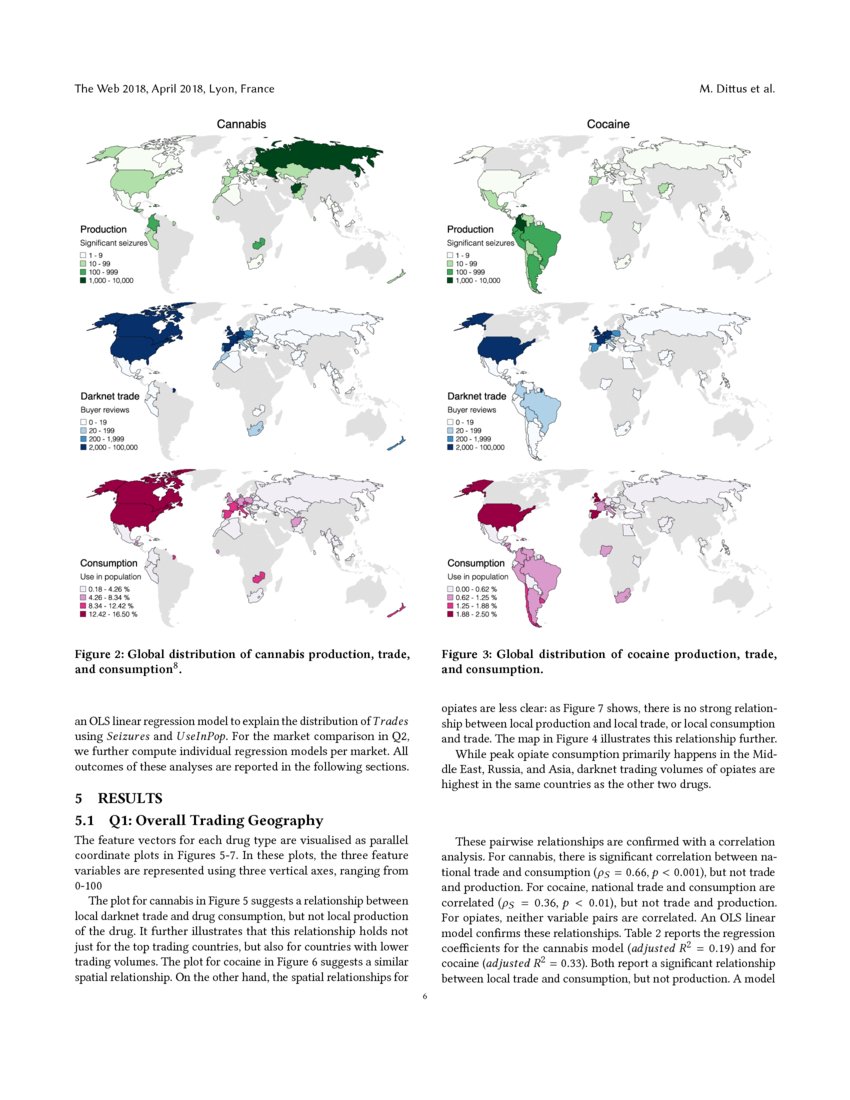
One of the defining features of these darkweb markets is their distributed structure. Different from traditional ecommerce sites, these markets operate on an anonymous peer-to-peer basis, utilizing coded frameworks to ensure the confidentiality of users. This decentralization not only protects users from police oversight but also encourages a sense of belonging among participants. Users can share reviews and ratings, creating trust and fostering a competitive landscape among merchants, which has bolstered the overall expansion of these markets.
The selection of goods provided on dark web marketplaces is vast, spanning beyond illicit substances to include online services, penetration testing , and counterfeit items. This variety has broadened the appeal of these platforms, luring users with different preferences and requirements. As knowledge of these markets continues to increase and the tech supporting them improves, it is likely that dark web transactions will further integrate itself in the structure of modern society, presenting both obstacles and opportunities for authorities and participants alike.
Perils and Obstacles in Hidden Web Commerce
Involving oneself in commerce on the dark web poses substantial perils for both buyers and traders. One of the primary concerns is the lawfulness of transactions. Many products traded on dark web markets are prohibited, including drugs, weapons, and illegitimate intellectual property. Participants may face legal consequences if caught, which can include significant punishments, monetary penalties, or even imprisonment. The privacy offered by the darknet does not guarantee protection from law enforcement that are actively watching these platforms.
Another challenge is the instability and unpredictability of dark web markets. These markets can suddenly cease operation, leaving traders without access to their goods or money. Frauds are widespread, and traders must be wary to avoid fake products or fraudulent vendors. The lack of a regulated environment means that consumers have little recourse if a transaction goes bad. Reliability is built on feedback from users, but these can also be manipulated, making it hard to assess the trustworthiness of a seller.
Lastly, digital security risks loom large in darknet commerce. Many participants become targets of hacking attempts or scamming scams, where malicious actors aim to steal cryptocurrencies or sensitive data. The distributed nature of the darknet can make it hard to navigate safely. Participants must be alert about their internet trace and take additional measures to protect their identity and belongings, complicating an already existing risky venture.